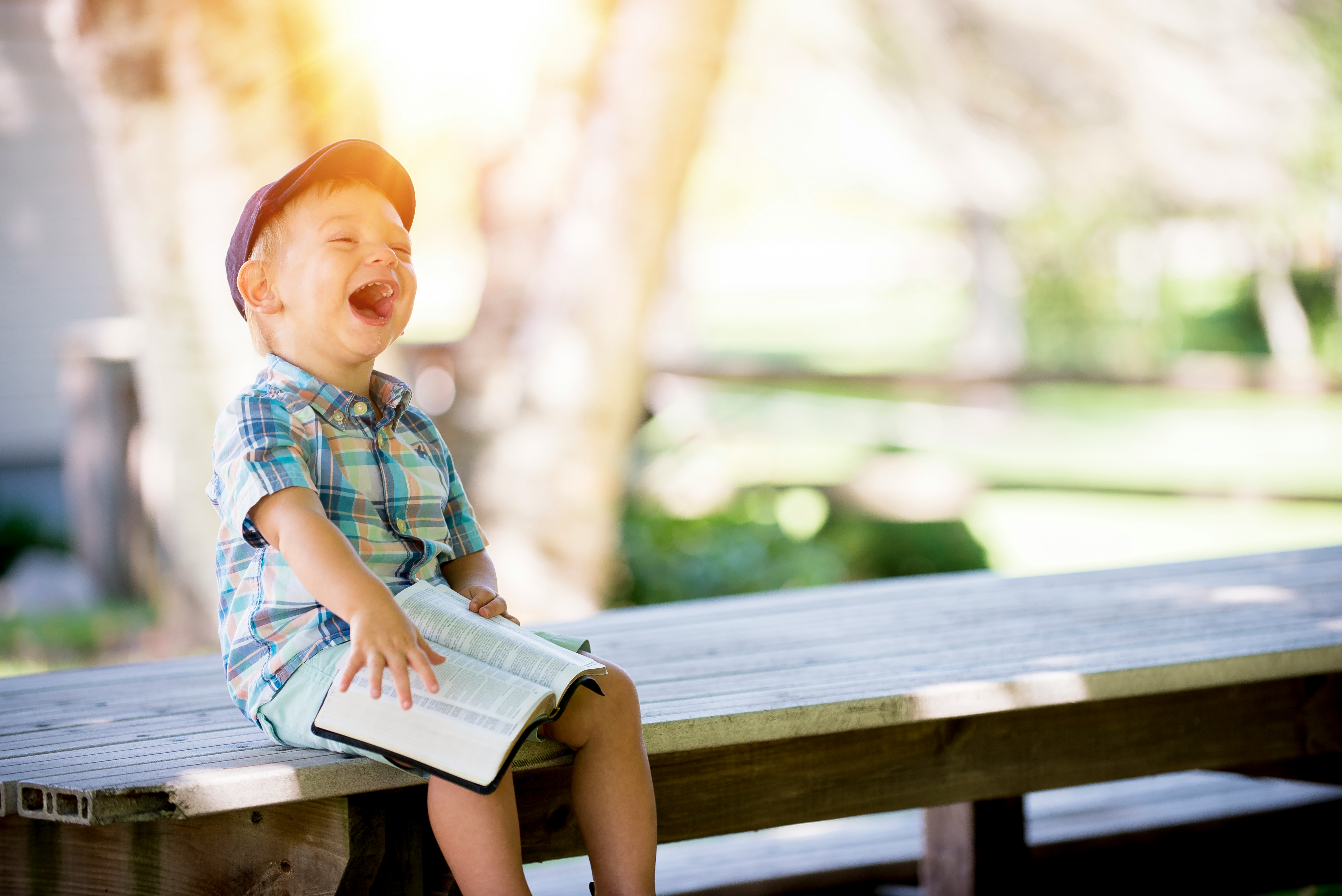
Building Resilience in School-Aged Children: A Bay Area Parent's Guide
Learn how to help your child develop resilience and confidence to navigate challenges in our competitive Bay Area educational environment. Expert insights from an educational psychologist.
Resilience isn't about never falling down. It's about learning how to get back up — and in my work with children, I've learned that getting back up is something that can be taught, nurtured, and strengthened over time.
In our high-achieving, competitive Bay Area environment, parents often focus on preparing children for success. But equally important is preparing them for the inevitable moments of setback — the missed goal, the tough grade, the friendship that shifts.
Why Resilience Matters
Resilient children:
Without resilience, even small bumps in the road can feel overwhelming — leading to frustration, withdrawal, or self-doubt.
The Ingredients of Resilience
From both research and years of clinical work, I've found resilience grows best in children when these elements are present:
1. Strong, Supportive RelationshipsKids do best when they know there's an adult who believes in them unconditionally.
#
2. Opportunities for Problem-Solving
Not every challenge should be solved for them — sometimes they need to work through it themselves.#
3. Healthy Risk-Taking
Trying a new activity, speaking up in class, joining a group project — all build courage.#
4. Perspective
Learning that one setback doesn't define their entire identity.How Resilience Shows Up in Everyday School Life
- A child gets a lower grade than expected but asks for feedback instead of shutting down- A student is nervous to present but does it anyway, learning that fear and action can coexist- A playground disagreement is resolved without adult intervention — even if it took a few tries
The Boutique Approach to Fostering Resilience
In my practice, we build resilience not in one grand lesson, but in small, repeated experiences where the child learns:
"I can handle this. Even if it's hard, I know what to do next."
Sometimes that means role-playing tough situations. Sometimes it means celebrating a child's persistence when they solve a puzzle after three failed attempts. Always, it means noticing the effort, not just the outcome.
## How Parents Can Nurture Resilience at Home
- Model it: Share a time you faced a challenge and what you did to get through it- Avoid Over-Rescuing: Step in for safety, but allow for problem-solving discomfort
Building Resilience Through Assessment
Sometimes understanding your child's learning profile can be a crucial step in building resilience. When children understand their strengths and challenges through comprehensive IQ testing or psychoeducational assessments, they develop a more accurate self-concept and can build resilience from a place of self-knowledge.
Ready to support your child's resilience and learning? Contact Shelley Sinclair, LEP, for comprehensive assessments that help identify your child's strengths and support their emotional growth.
Contact:Shelley Sinclair, LEP — Los Altos, CA
Comprehensive assessments and resilience support: $975


